
Contents:
- Quick Answer Box
- Direct Answer
- Why This Distinction Matters
- Detailed Breakdown
- Sustainability Angle
- Expert Insight
- Quick Answer for Skimmers
- Exceptions and Nuances
- FAQ
- Can jeans ever count as business casual?
- What shoes work for business professional attire?
- Is a blazer required for business casual?
- How formal is “cocktail attire” compared to business formal?
- Wrap-Up
In the early twentieth century, nearly every American office required a full suit regardless of role or industry, a rigid standard that only began loosening significantly during the dot-com era of the late 1990s.
Quick Answer Box
Business attire divides into three main tiers: business casual (polished but relaxed), business professional (structured suits or blazers), and business formal (tuxedos or floor-length gowns for the most formal events).
Direct Answer
Casual leans toward blouses and chinos, professional means suits and closed-toe shoes, and formal reserves for galas, weddings, or executive events requiring tuxedos and evening gowns.
Why This Distinction Matters
Wearing the wrong tier signals a misread of workplace culture or event expectations, which can subtly undermine credibility even when the actual clothing looks perfectly nice on its own.
Detailed Breakdown
Business casual typically includes collared shirts, blouses, chinos, knee-length skirts, and loafers, avoiding jeans, sneakers, and graphic tees in most traditional office settings.
Business professional requires tailored suits, dress shirts, ties for men, structured blazers or dresses for women, and polished dress shoes, common in law firms, banking, and client-facing corporate roles.
Business formal, the strictest tier, applies to black-tie events, executive galas, and major corporate award ceremonies, requiring tuxedos, dark formal suits, or floor-length evening gowns.
Sustainability Angle
Rental services like Rent the Runway and Nuuly have made formal and even professional-tier attire more sustainable, letting professionals wear high-quality pieces for one-time events without contributing to fast-fashion waste cycles.
Expert Insight
“The biggest mistake I see is people defaulting to business casual for events that clearly call for professional attire,” says image consultant Renata Suarez, who advises Nevada hospitality executives on dress code standards.
Quick Answer for Skimmers
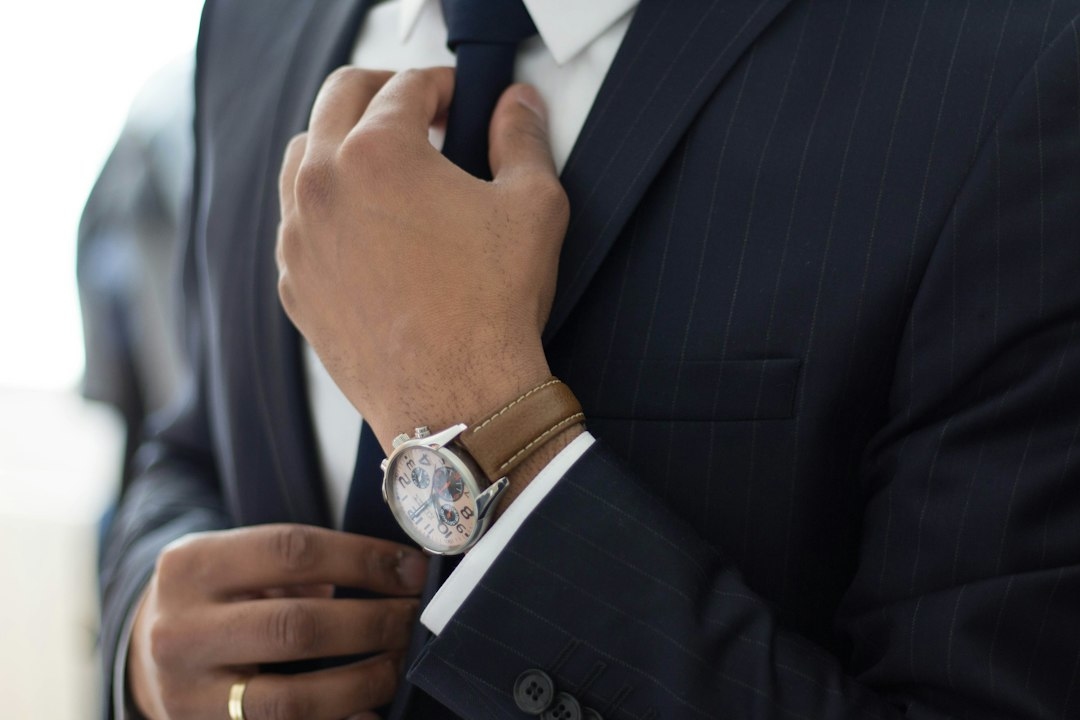
When unsure which tier applies, it’s almost always safer to slightly overdress than underdress, since overdressing rarely damages first impressions the way underdressing can.
Exceptions and Nuances
Creative industries like advertising, tech, and design often blur these categories entirely, favoring unique personal style within a loosely professional framework rather than strict tier adherence.
FAQ
Can jeans ever count as business casual?
Dark, well-fitted jeans paired with a blazer work in some relaxed business casual offices, though many traditional workplaces still prohibit denim entirely.
What shoes work for business professional attire?
Closed-toe leather dress shoes, oxfords, or low heels typically satisfy business professional expectations across most industries and regions.
Is a blazer required for business casual?
Not always, though keeping one available for client meetings or unexpected formal moments provides useful flexibility within a business casual wardrobe.
How formal is “cocktail attire” compared to business formal?
Cocktail attire sits below business formal, allowing shorter dresses and dark suits without requiring full tuxedos or floor-length gowns.
Wrap-Up
Understanding these three tiers, and reading workplace or event cues carefully, prevents the awkward experience of showing up dramatically over or underdressed for the occasion.








