
Contents:
- Overview of the End Result
- What You’ll Need
- Step 1: Choose Your Niche Focus
- Step 2: Source Your Inventory
- Step 3: Build Your E-Commerce Platform
- Step 4: Price Competitively but Sustainably
- Step 5: Market Through Community Building
- Expert Insight
- Quick Cost Breakdown
- Common Mistakes to Avoid
- FAQ
- Can an online bookstore really compete with Amazon?
- Is used book selling more profitable than new books?
- How much inventory do I need to start?
- Next Steps
Independent bookstores have actually grown in number over the past decade, defying predictions of retail apocalypse by building loyal niche communities that large online retailers struggle to replicate.
Overview of the End Result
By following this guide, you’ll understand how to source inventory, choose an e-commerce platform, and build a niche positioning that gives your online bookstore a genuine competitive edge.
What You’ll Need
You’ll need an inventory sourcing strategy, an e-commerce platform like Shopify or a specialized bookselling platform, and a clear niche focus distinguishing you from massive general retailers.
Step 1: Choose Your Niche Focus
Specializing in rare books, a specific genre, or curated collections helps you compete against Amazon’s scale by offering expertise and selection that generic retailers simply don’t provide.
Step 2: Source Your Inventory
Options include partnering with publishers for new books, sourcing used books through estate sales and library discards, or using print-on-demand for self-published or public domain titles.
Step 3: Build Your E-Commerce Platform
Shopify ($39-$105 monthly) offers flexibility for a branded storefront, while platforms like Bookshop.org allow independent sellers to list inventory while supporting broader independent bookstore initiatives.
Step 4: Price Competitively but Sustainably
Research competitor pricing carefully, balancing competitive rates against your actual margins, since underpricing to compete with Amazon often proves unsustainable for smaller independent operations.
Step 5: Market Through Community Building
Build an email newsletter, host virtual or in-person book clubs, and engage actively on platforms like Instagram and BookTok, where genuine reader communities drive significant discovery and sales.
Expert Insight
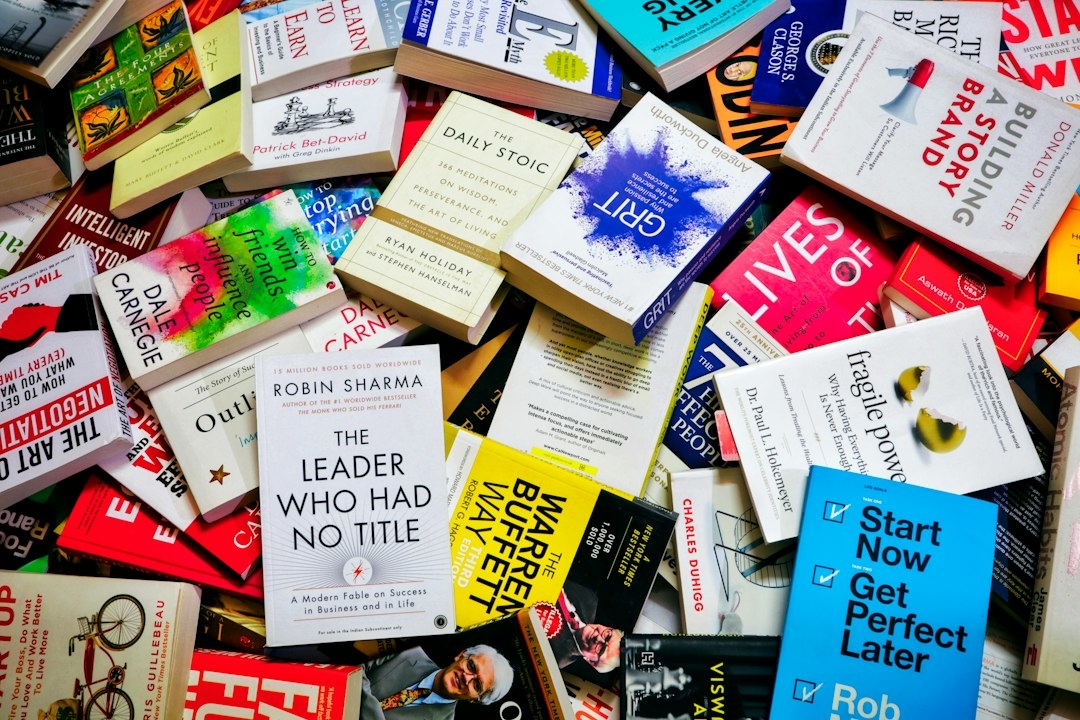
“Independent booksellers who succeed online don’t try to out-Amazon Amazon; they build genuine community around curation and expertise that algorithms can’t replicate,” says bookselling consultant Ines Whitfield.
Quick Cost Breakdown
Platform and website: $50-$150 monthly. Initial inventory: $5,000-$25,000 depending on sourcing method. Marketing and community building: $200-$1,000 monthly for sustained growth efforts.
Common Mistakes to Avoid
Trying to compete on price alone against major retailers, neglecting community-building marketing in favor of pure transactional selling, and underestimating shipping cost management for a book-based inventory.
FAQ
Can an online bookstore really compete with Amazon?
Yes, particularly with strong niche focus and community engagement, since many readers actively seek to support independent bookstores over large retailers.
Is used book selling more profitable than new books?
Often yes, since used books typically carry lower acquisition costs and higher margins compared to new book wholesale pricing structures.
How much inventory do I need to start?
Many successful online bookstores launch with just a few hundred carefully curated titles rather than attempting broad selection from day one.
Next Steps
Define your niche clearly, secure initial inventory, and build your e-commerce presence before investing heavily in marketing, letting genuine curation drive your initial growth.