Contents:
- Problem Statement
- Why Solve This
- Step-by-Step Solution
- What the Pros Know
- Quick Cost Breakdown
- Sustainability Angle
- Examples
- Troubleshooting
- FAQ
- How much does it cost to open a small gym?
- What membership model is most profitable?
- Do I need certified trainers on staff?
- Wrap-Up
Nearly 80% of new gyms close within their first five years, a sobering statistic that makes careful planning around costs and membership structure absolutely essential before signing any lease.
Problem Statement
Many aspiring gym owners underestimate true startup costs and choose membership pricing models mismatched to their actual local market, leading to cash flow problems within the first year.
Why Solve This
Understanding realistic costs and choosing the right membership structure upfront dramatically improves your odds of building a sustainable fitness business rather than joining the majority that close prematurely.
Step-by-Step Solution
Secure a location with adequate square footage, typically 3,000-10,000 square feet depending on your concept, and negotiate lease terms carefully since rent represents your largest fixed monthly expense.
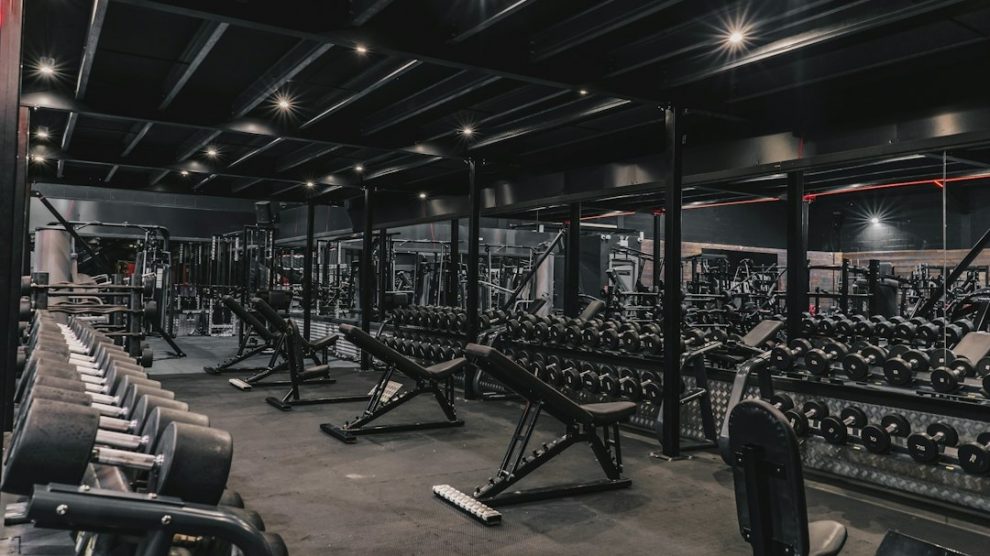
Purchase equipment strategically, starting with essential cardio and strength machines before adding specialty equipment, typically totaling $50,000-$250,000 depending on gym size and target market positioning.
Choose between traditional monthly membership ($30-$80), boutique class-based pricing ($150-$250 monthly), or hybrid models combining both, matching your specific target demographic and competitive landscape.
Hire qualified staff, including certified trainers and front desk personnel, and invest in gym management software to handle scheduling, billing, and member communication efficiently.
What the Pros Know
Successful gym owners recommend building a strong pre-launch waitlist through social media and local marketing before opening day, ensuring initial cash flow rather than launching to an empty facility.
Quick Cost Breakdown
Lease and buildout: $100,000-$500,000. Equipment: $50,000-$250,000. Initial marketing and staffing: $20,000-$50,000. Total startup investment typically ranges $200,000-$800,000 for a mid-size facility.
Sustainability Angle
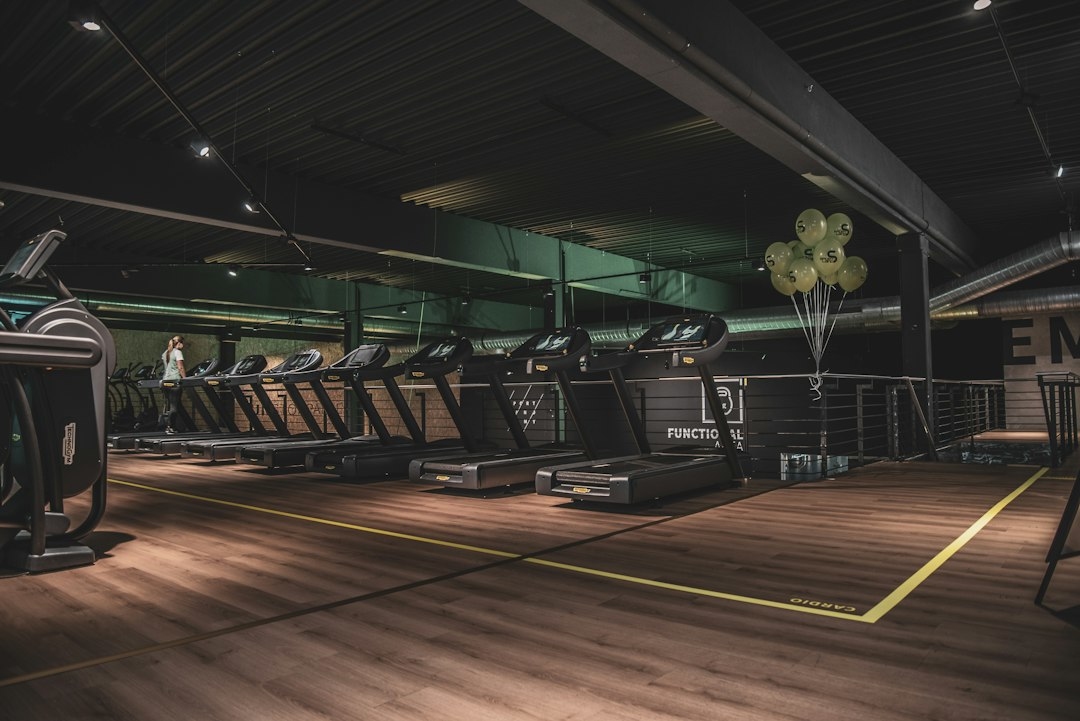
Energy-efficient lighting and equipment, along with reusable water bottle stations instead of plastic sales, both reduce operating costs and appeal to increasingly environmentally conscious gym members.
Examples
A boutique fitness studio in Las Vegas opened with a hybrid model, charging $180 monthly for unlimited classes while offering a discounted $45 monthly basic gym-access-only tier, capturing both budget and premium customers.
Troubleshooting
If membership growth stalls after initial launch enthusiasm fades, invest in referral incentive programs and community events rather than relying solely on paid advertising to sustain growth.
FAQ
How much does it cost to open a small gym?
Small independent gyms can launch for $150,000-$400,000, while larger full-service facilities often require $500,000 or more in total investment.
What membership model is most profitable?
Boutique class-based models often generate higher per-member revenue, though traditional gyms can achieve profitability through higher membership volume at lower price points.
Do I need certified trainers on staff?
Yes, liability concerns and member expectations both make certified training staff essential rather than optional for most gym concepts.
Wrap-Up
Careful cost planning combined with a membership model genuinely matched to your local market gives new gym owners the strongest possible foundation for long-term sustainability.








