Contents:
- Brief Intro
- Preparation
- Step 1: Secure Suitable Land
- Step 2: Arrange Construction Financing
- Step 3: Design for Occupancy Optimization
- Step 4: Set Competitive Rental Pricing
- Pro Tips
- Quick Cost Breakdown
- A Comparison With a Commonly Confused Alternative
- Personal Anecdote
- FAQ
- How profitable is a storage unit business?
- How long does it take to reach full occupancy?
- Do storage facilities require significant ongoing management?
- Wrap-Up
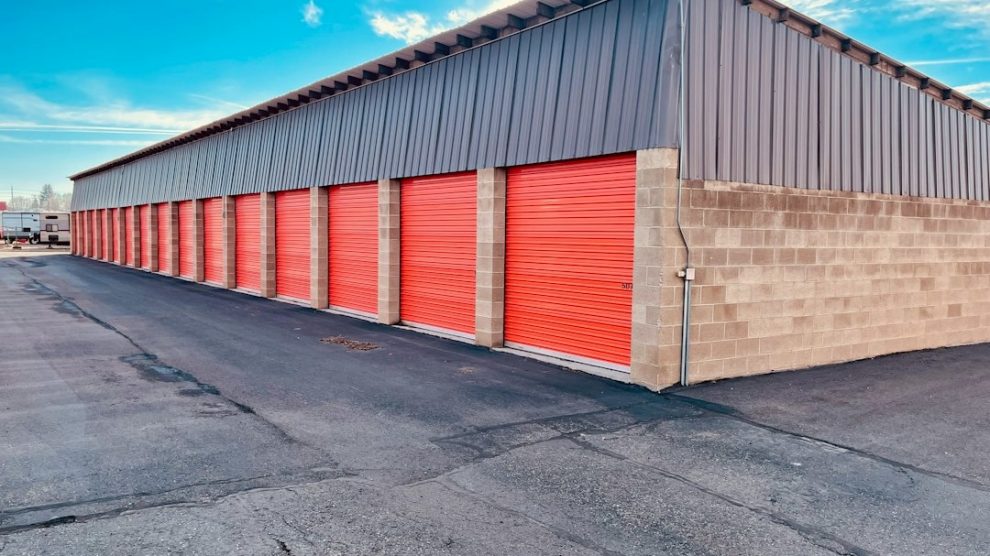
Self-storage facilities post some of the highest profit margins in commercial real estate, often exceeding 50%, a statistic that surprises most people who dismiss storage units as a boring, low-value business.
Brief Intro
This guide covers exactly what’s needed to launch a storage unit business, from securing land through construction financing and setting rental pricing that generates strong long-term returns.
Preparation
Research local zoning laws and demand before committing to any specific property, since storage facilities require commercial zoning and sufficient surrounding population density to sustain steady occupancy.
Step 1: Secure Suitable Land
Look for land near residential areas but zoned for commercial use, typically requiring 1-5 acres depending on facility size, with land costs varying enormously by region and local market conditions.
Step 2: Arrange Construction Financing
Building a mid-size facility typically costs $2-$6 million, financed through SBA loans, commercial construction loans, or private investor partnerships, depending on your available capital and risk tolerance.
Step 3: Design for Occupancy Optimization
Mix unit sizes strategically, since smaller 5×10 units often see faster turnover and higher per-square-foot pricing than large 10×30 units favored by fewer long-term commercial storage customers.
Step 4: Set Competitive Rental Pricing
Research local competitor rates carefully; small units typically rent for $50-$100 monthly, while large units can command $150-$300 monthly depending on climate control features and regional demand.
Pro Tips
Adding climate-controlled units commands 20-30% higher rental rates than standard units, often justifying the additional construction cost through improved long-term profitability and customer retention.
Quick Cost Breakdown
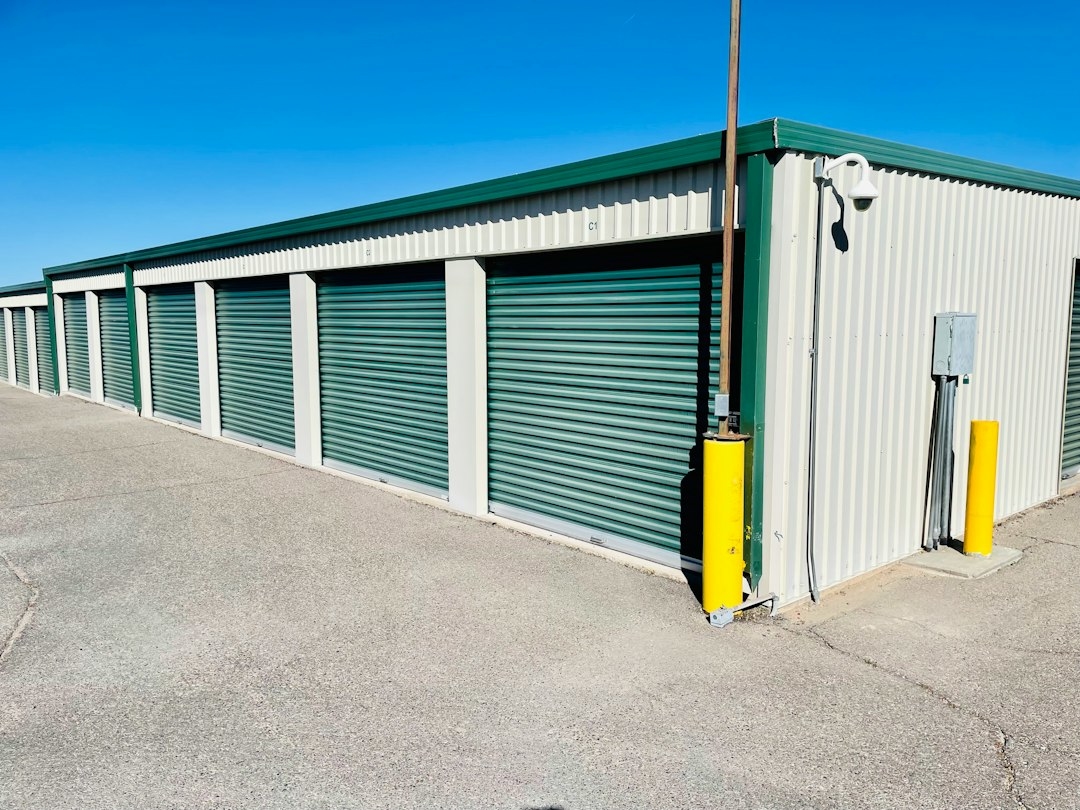
Land acquisition: $200,000-$1,500,000 depending on region. Construction: $2-$6 million for a mid-size facility. Ongoing operating costs: $50,000-$150,000 annually covering insurance, maintenance, and management.
A Comparison With a Commonly Confused Alternative
Self-storage differs meaningfully from warehouse leasing; storage facilities rent small units to individual consumers and small businesses, while warehouses lease large industrial space to commercial tenants under different terms entirely.
Personal Anecdote
An investor group in the Las Vegas valley converted an underused commercial lot into a 300-unit storage facility, reaching 85% occupancy within fourteen months, faster than their original conservative projections anticipated.
FAQ
How profitable is a storage unit business?
Well-located facilities often achieve 40-60% profit margins once fully occupied, among the highest returns available in commercial real estate investment.
How long does it take to reach full occupancy?
Most new facilities take 12-24 months to reach stabilized occupancy, depending heavily on local demand and marketing effectiveness.
Do storage facilities require significant ongoing management?
Less than most commercial real estate; many operators use automated kiosks and remote management software, reducing staffing needs considerably.
Wrap-Up
Storage unit businesses reward patient investors willing to navigate the upfront land and construction costs, ultimately delivering some of commercial real estate’s strongest long-term profit margins.








